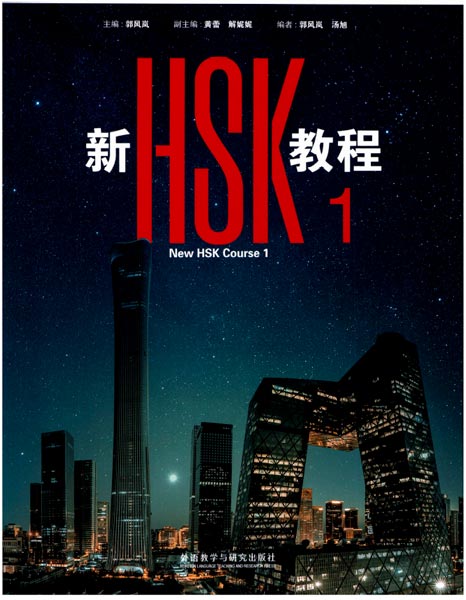
The new HSK1 3.0 book is out now! In this video, we're going to do a deep dive into the improvements and changes made since the old version and how technology comes into play.
|
Format
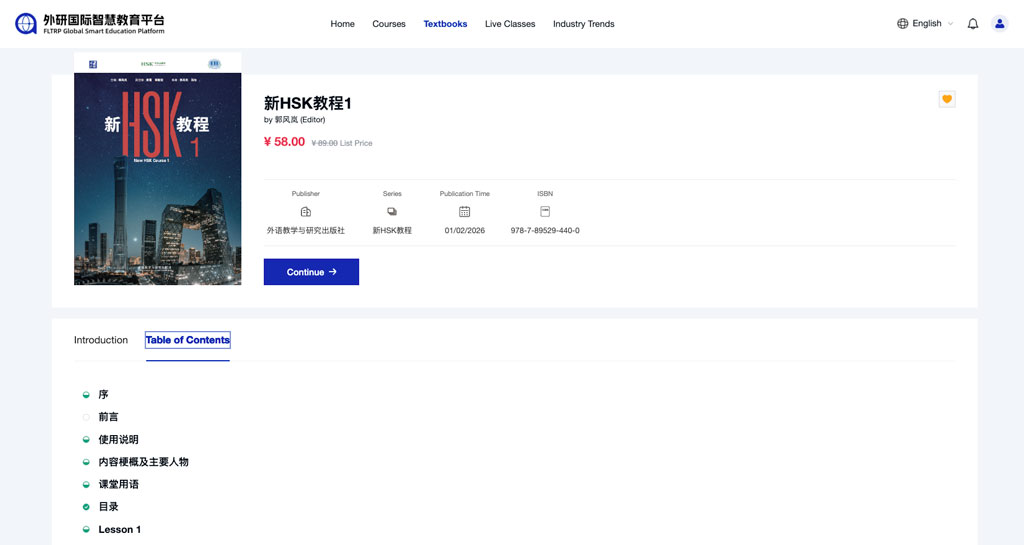
Firstly, the book is now available in two different formats: digital and hard copy. To access the digital version, you need to register on the FLTRP platform. Here, you can also purchase the book in digital format.
|
If you have purchased the book as a hard copy, you need to scan the QR code on the back cover to access the digital version. The book content is mostly the same, but you'll see that some content can only be accessed digitally.
Characters
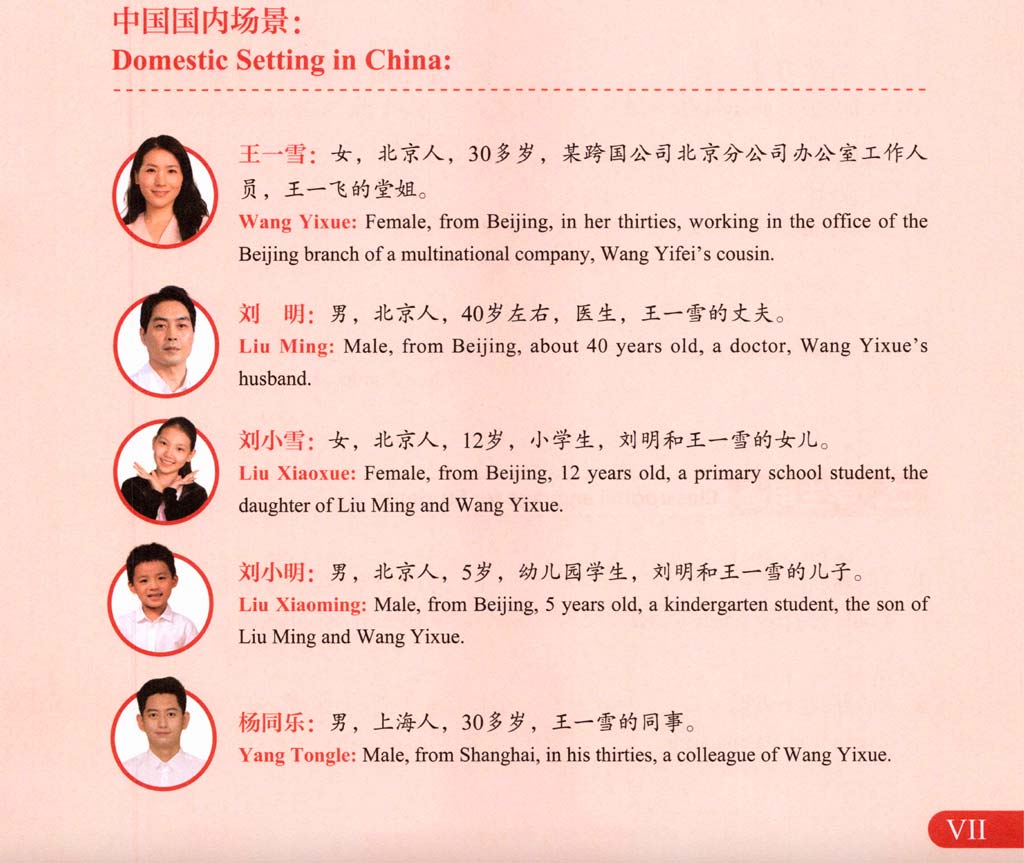
In both formats, the very first thing we see is an introduction to the characters whose story we'll follow through the readings and dialog in this first level. This is a positive change compared to the old books, where the texts were much more random. The book tells us it will follow both the life of a family in China as well as the everyday life of a Chinese teacher who teaches abroad and her students.
|
Structure
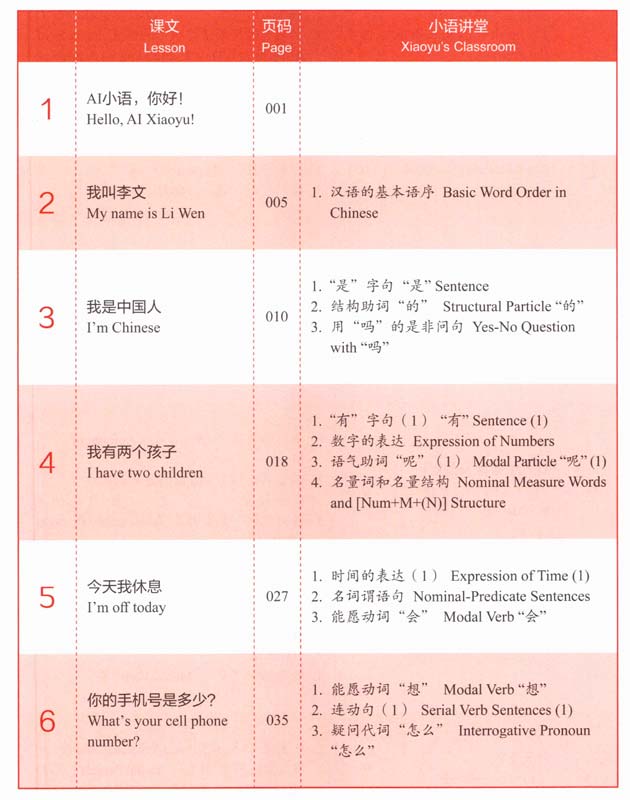
Looking at the index, we can clearly see a simple structure, whereby 小语 xiǎoyǔ, the learning assistant, will be responsible for teaching us everything related to grammar.
|
At first glance, it is a bit of a surprise that the index basically focuses only on grammar, ignoring vocabulary and other aspects such as writing and pronunciation altogether. We'll see what happens with this later. In total, there are 15 lessons in the HSK1 book. A list of vocabulary from this first level is included at the back, only without the meanings.
Topics
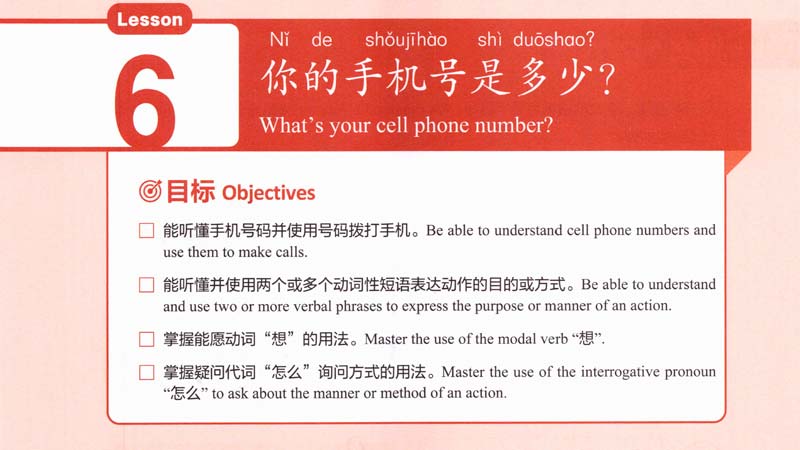
At the beginning of each lesson, we find a series of objectives containing clues about the main topic and what we will learn.
|
One drawback of the previous books was the lack of clearly defined lesson themes. In this latest edition, it's clear an effort has been made to rectify this and include blocks of vocabulary directly related to each topic. Even so, there's still room for improvement.
Dialogs
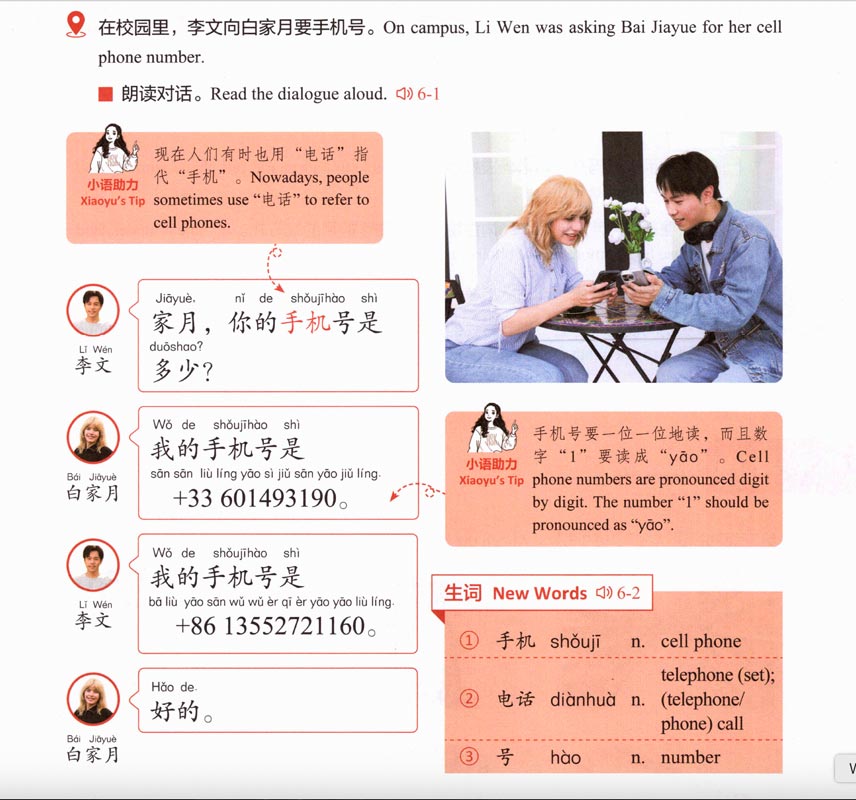
After the objectives and a brief warm-up task, matching images to words, the dialogs begin. There are two things worth mentioning here: one is that they usually give a bit of context at the beginning to set the scene, and two is that the dialogs contain comments from Xiaoyu linking to various other related elements (culture, grammar, writing, etc.).
|
Next, it presents the words used in the dialog and their translation.
Grammar
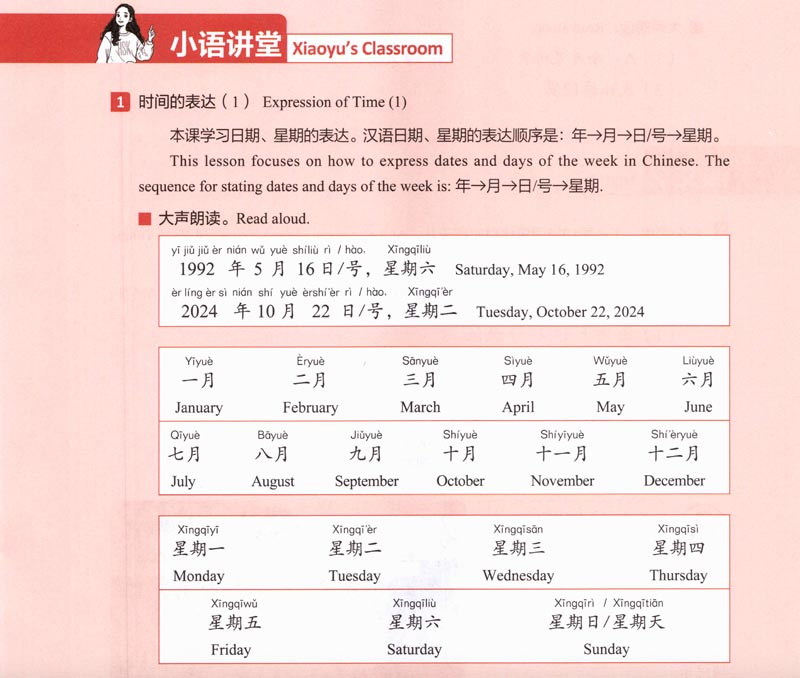
Now let's take a look at the grammar. Unlike in the old HSK books, instead of presenting all of the dialogs in one go, followed by a general explanation of the grammar for the entire lesson, in the new books each section of dialog is followed by its relevant grammar section. For example, if a dialog is teaching you to say the date and time, you will find the corresponding grammar explanation immediately after it.
|
Of course, a dialog may contain more than one grammatical point or none at all.
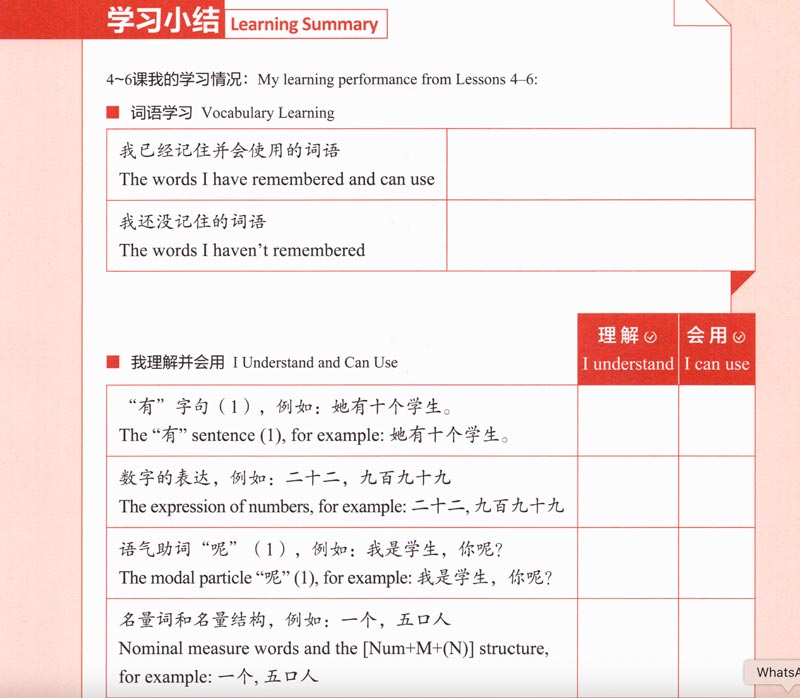
Another new feature is that, every three lessons, you will find a self-assessment designed to help you reflect on which words and grammar you have mastered, which you need to continue practicing, etc.
|
Exercises
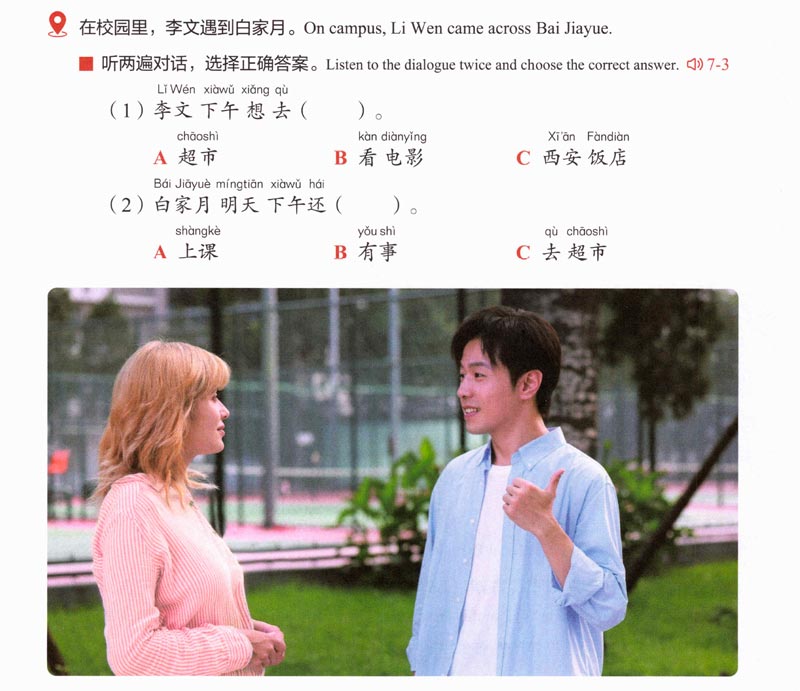
Now, let's move on to the exercise section. Another new feature is that you must complete an oral comprehension task before you start reading some of the dialogs. The exercises all follow the same format: listen to the dialog, read the statements, and choose from one of three answers to fill in the gap.
|
You will also see oral expression exercises at the end of each dialog, or questions about it.
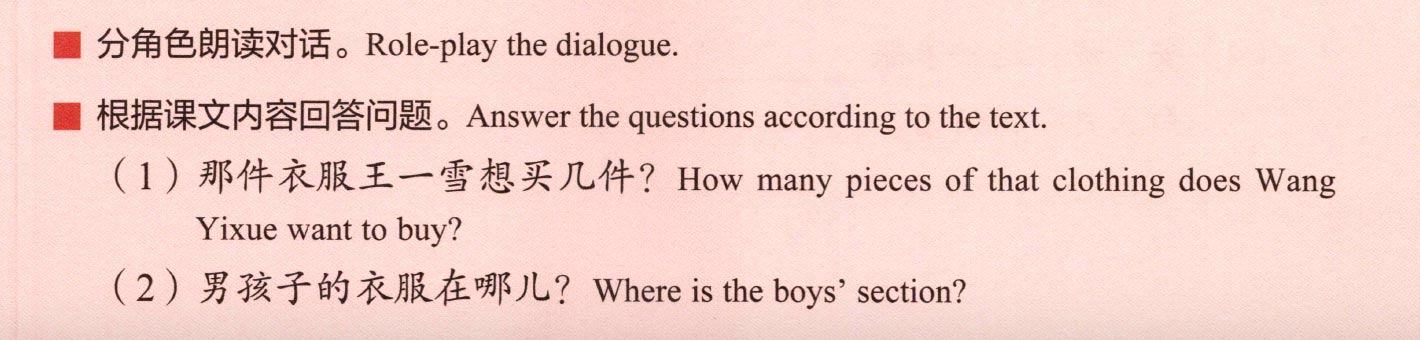
|
The rest of the exercises are still relatively similar to the old HSK books, with the most common examples including: choosing vocabulary to fill in the blanks; and using grammar and vocabulary from the lesson to describe images.
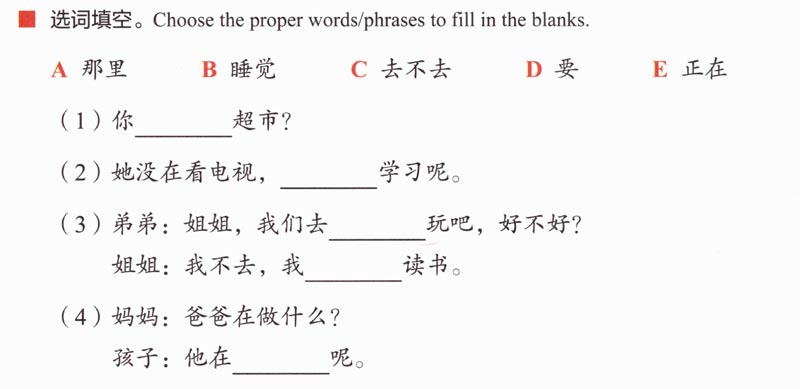
|
Without the upcoming accompanying HSK1 3.0 workbook, the exercises in this section will seem a little scarce and repetitive. If the workbook is not complementary and continues to be a sample of the HSK1 exam (as was the case with the old books), students will need more tools and supplementary activities to put what they have studied into practice and back up their learning.
Finally, at the end of the lessons, there is still a group role play exercise that you can try out in class.
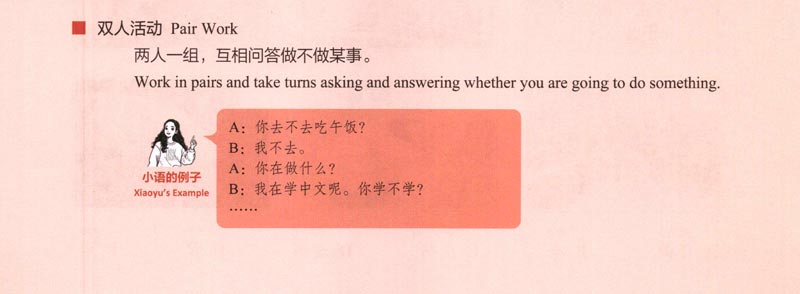
|
Cultural Capsules
Lastly, those cultural capsules at the end of some lessons in the old HSK book are now available in video format via a web link. This is what we meant by exclusive content that can only be accessed digitally.

|
These are short videos in Chinese, each under three minutes, with pinyin and English subtitles. In total, there are six spread across the fifteen lessons in the book.
Digital vs hard copy
The digital version is a convenient tool to help you complete exercises and grade them automatically, record yourself reading sentences or words, listen to dialogs, and get grammatical, phonetic, and cultural explanations in video format.
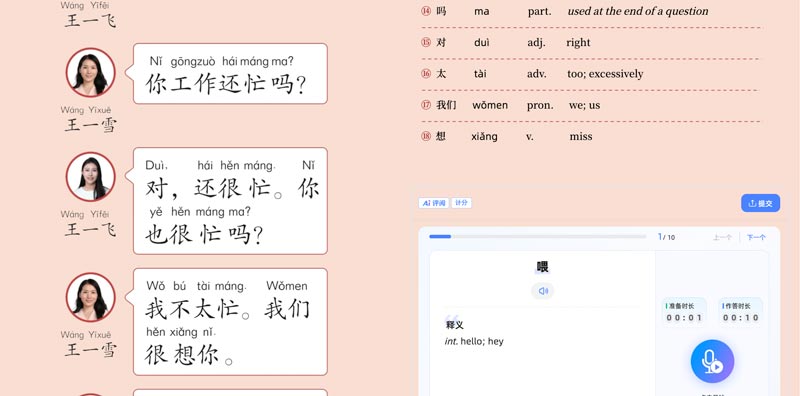
|
However, the digital version obviously lacks the ability to practice writing characters by hand (unless you use an electronic pen). Instead, if you want to use the digital version, you will need to quickly familiarise yourself with typing characters (through pinyin), which is a pretty useful skill in our high-tech world. It is important to emphasize that this digital version is designed to be used on large screens, preferably on a computer, and is not optimised for mobile devices.
So, the digital version could be a great option if you want to grade your work, record audio, listen to dialogs and watch video explainers at the touch of a button. You have everything all in one place. That said, we still think that, given the infinite technological possibilities out there, more could have been done with this version, starting with more interactive games.
As for the hard copy, it only really makes sense when used alongside the digital version.
Pronunciation and characters
Just like with the cultural capsules, lessons on phonetics and characters are only available in video format.
Here, there is a lack of continuity and depth in the phonetics explanations, which are even limited to a single video in the first lesson. The same goes for the instructions for character writing practice. And for those etymology explanations from the old book that helped us better understand Chinese culture and history, and which many students used to memorize... There's just one video.
Conclusion
In conclusion, this new HSK1 3.0 book follows in the footsteps of the previous versions, but with some visible improvements, such as the continuity of characters and stories, the introduction of listening comprehension exercises, and the new digital format. However, there is still room for improvement in areas such as the explanation of phonetics, character writing, etymology, exercises, and themes.
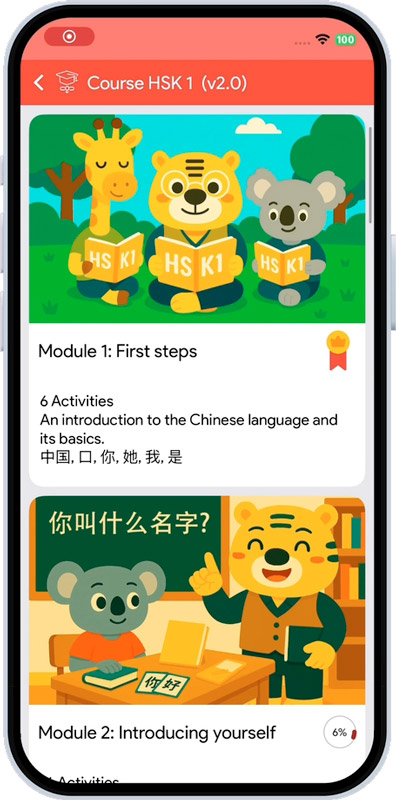
Many students have told us that, although the official books are a good starting point, you do need more resources and practice to back up what you've learned. If you want to keep building on your learning, you can complement your studies with Chinesimple, where you'll find more vocabulary, more exercises, and more practice to get you ready for the HSK.
|
Free download
If you've made it this far, you're serious. Turn that momentum into real progress with Chinesimple and make every study session count.
Native audio
Games
Flashcards
Exams
Pronunciation


|
|