If you've ever met a Korean person, you may have been caught off-guard by a fairly direct, albeit common question: "How old are you?" You might have wondered why they were so keen to know your age right away, when in other countries the question can feel a little personal.
In Korea, though, asking someone their age when you first meet is quite common. Why though? The answer has a lot to do with the Korean language and how people interact.
Why does age affect the way we speak?
In Korean, we don't speak to everyone in the same way. Someone's age, how well we know them, and our relationship with them can all dictate whether we use more formal or informal expressions.
For example, to ask someone whether they've eaten, we can say:
| Korean / Romanization / Meaning |
|---|
| 밥 먹었어? (bap meogeosseo?) Have you eaten? Informal. |
| 밥 먹었어요? (bap meogeosseoyo?) Have you eaten? Polite. |
| 식사하셨어요? (siksa hasyeosseoyo?) Have you eaten? Respectful. |
| 진지 드셨어요? (jinji deusyeosseoyo?) Have you eaten? More deferential, especially when speaking to older people. |
Although these expressions all ask essentially the same question, they each use a different tone and level of respect.
So, knowing someone's age can help you decide how to address them. When you first meet someone, for example, you might want to know whether they're older or younger than you so you can choose the right words and tone.
This doesn't mean Koreans need to know everyone's age before they can start a conversation. It's simply information that can make things easier, especially when people are just getting to know each other.
How does age affect the words we use to refer to other people?
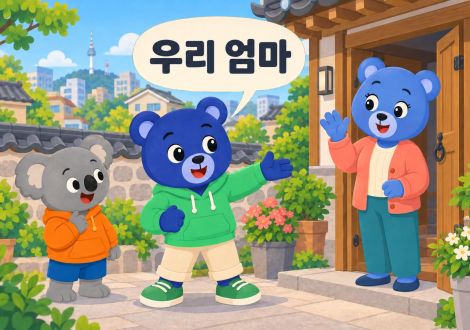
If you're learning Korean or enjoy Korean dramas, you may have heard words like 형 (hyeong), 누나 (nuna), 언니 (eonni), and 오빠 (oppa).
These words generally refer to older brothers and sisters, but they're also used for people who aren't family, but with whom you have a close relationship. Which word you use depends on the gender of both the speaker and the person they're addressing:
| Person being addressed | Male speaker | Female speaker | Original meaning |
|---|---|---|---|
| A man older than the speaker | 형 (hyeong) | 오빠 (oppa) | Older brother |
| A woman older than the speaker | 누나 (nuna) | 언니 (eonni) | Older sister |
동생 (dongsaeng), on the other hand, refers to a younger brother or sister. It can also refer to a younger person you're close to.
Knowing someone's age can therefore help you choose an appropriate form of address so you can interact more naturally.
What if we're the same age?
Being the same age can actually help break the ice.
In Korea, finding out that you're the same age as someone can make it easier to form a bond and start speaking more informally. There's even a word for people who are the same age: 동갑 (donggap). It's a handy word to know if you're making Korean friends.
Still, being the same age doesn't just mean you can start speaking informally right away.
In Korean, 너 (neo) doesn't work quite like "you" in English, which is used for everyone. Instead, it's specifically used to address someone in an informal, direct way. It's usually used with people the same age or younger when you know each other well and both feel comfortable with that level of familiarity.
When you first meet someone, it's common to start with more respectful language, then work your way up to the informal 너 (neo) once you both verbally agree. Age can be a starting point for building a connection, but closeness develops over time.
What does Confucianism have to do with it?
During the Joseon dynasty, Confucianism had a strong influence on Korea. One of its central ideas was respect for older people. Today, that idea still shapes some of our customs, such as speaking respectfully or giving up your seat for an older person on public transportation.
Age is therefore also connected to how we show respect for others.
Is it rude to ask someone their age?
Not necessarily. In Korea, asking someone their age when you first meet is quite common. In fact, people often tell each other how old they are to work out how to address one another.
Although the question may feel too personal in other countries, in Korean culture it serves a clear purpose rooted in respect. So, while not everyone feels comfortable talking about their age, it's quite common to answer when someone asks.
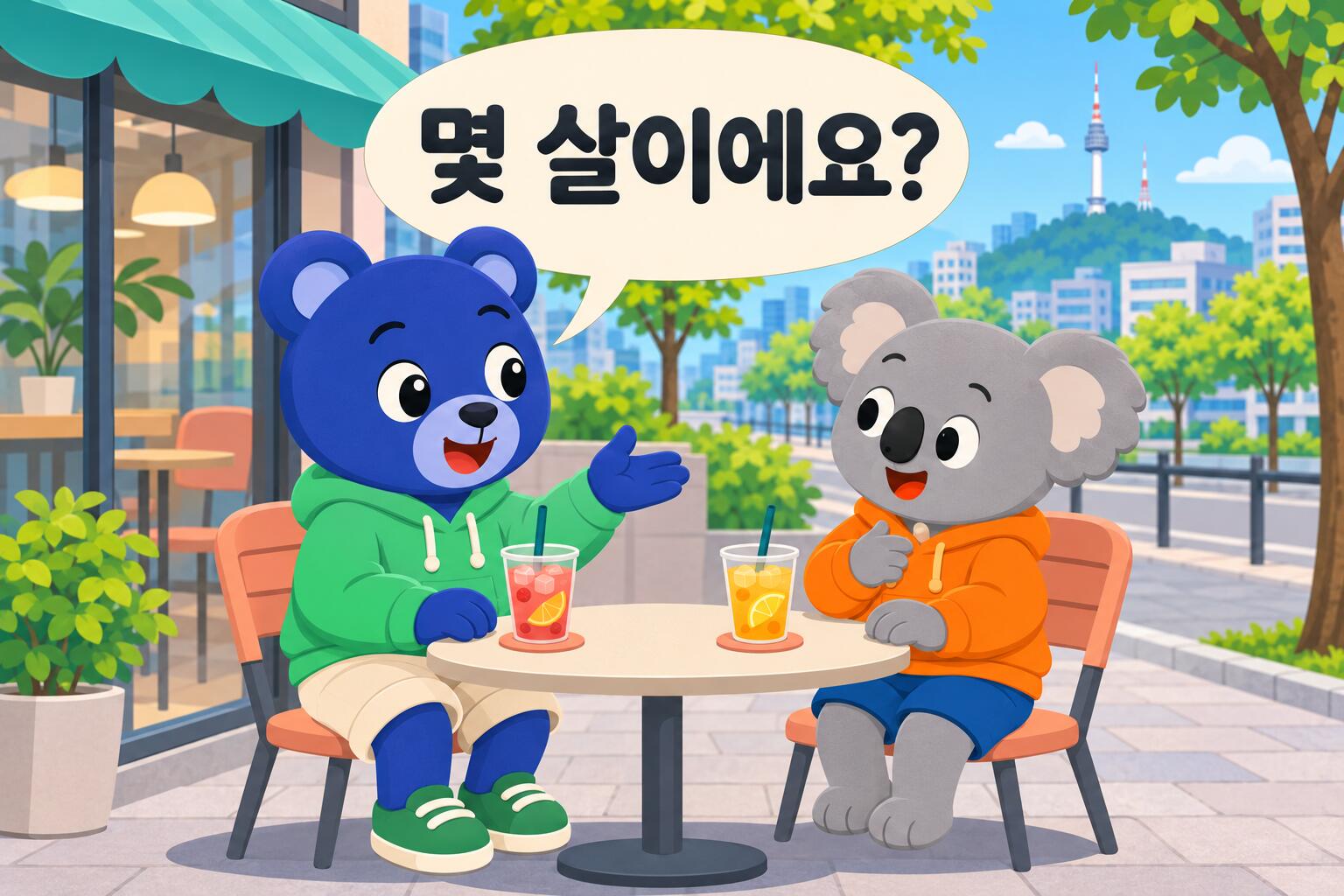
If the topic comes up and you'd like to ask someone their age in Korean, you can use the following expressions:
| Korean / Romanization / Meaning |
|---|
| 몇 살이에요? (myeot sarieyo?) How old are you? Polite. |
| 나이가 어떻게 되세요? (naiga eotteoke doeseyo?) How old are you? More respectful. |
What are the key takeaways surrounding this custom?
In Korea, asking someone their age helps you work out how to speak to and address them, but closeness isn't a given and still needs to develop over time.
So, if a Korean person asks your age when you first meet, they may simply be trying to work out how to address you.
Frequently asked questions about age in Korea
1. Why is it common to ask someone their age when you first meet in Korea?
It helps you work out how to speak to them and which form of address to use.
2. What affects how you address an older person in Korean?
It depends on the gender of the people involved, their ages, and how well they know each other.
3. Is it common to start speaking informally to someone just because they're the same age as you?
No. It's common to start with polite speech and switch to informal speech once you know each other better and both verbally agree.
|
Free download
If you've made it this far, you're serious. Turn that momentum into real progress with Chinesimple and make every study session count.
Native audio
Games
Flashcards
Exams
Pronunciation


|
|