HSK2 3.0 Vocabulary 2026: official list, changes, and downloadable PDF
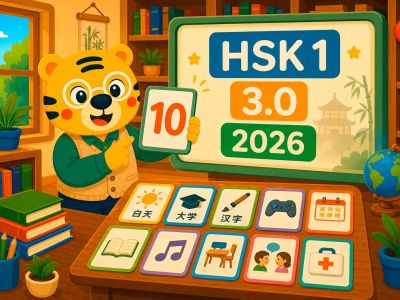
The PDF containing the new HSK2 3.0 vocabulary for 2026 is now ready to download!
Chinesimple’s Chinese course has landed! We’re super excited to announce that our complete HSK1 course is finally here! It’s designed so you can start from scratch and be guided step by step on your language learning journey.
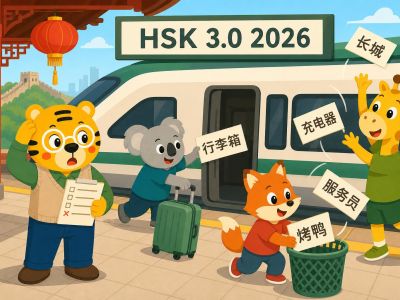
Today we’re going to cover the five mistakes you should avoid in China if you want to make a good impression.
Has dicho Ahí va el post en inglés, te hace comenzar con una traducción al español?: Intro The new HSK1 3.0 book is out now! In this video, we’re going to do a deep dive into the improvements and changes made since the old version and how technology comes into play.
2026 marks the beginning of the Year of the Fire Horse, starting on 17 February 2026, according to the lunar calendar.
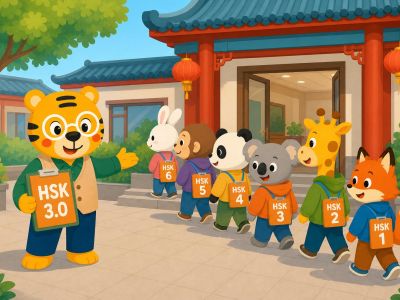
If you’re still preparing for the HSK1 as usual… you might want to take a beat. Because the HSK has changed… a lot. In 2026, HSK 3.0 officially lands, and the number of words, the grammar, and even the way you start learning to speak Chinese are no longer the same.
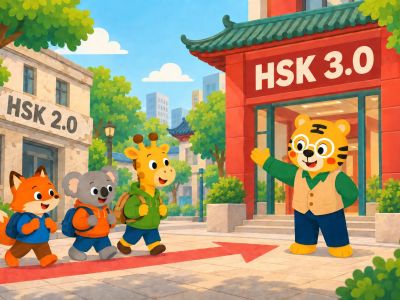
It’s finally official! The new HSK 3.0 is now underway, and – be warned – with it come major changes. In this article, we compare all the new features with HSK 2.0 and the 2021 release of HSK 3.0.
If you’ve wound up here on the hunt for Chinesimple, Chinese simple, or similar… don’t worry, you’re not alone.
In the Western world, December means Christmas, but… Does the festive period take over China in the same way? The short answer is: not exactly.
Whether you’re in Beijing, where temperatures can drop to -10 degrees, or in Shanghai, where the lowest temperatures usually hover around 2 degrees, today’s vocab will come in handy when you splurge on that padded coat or treat yourself to a warm 奶茶 nǎichá (milk tea).
In today’s article, we’re going to look at ten characters with truly captivating etymologies. Delving into the etymology of Chinese characters is not only very interesting, but it is also an excellent way to memorize them.
The image of the geisha is usually associated with Japan。 However, in Chinese history we find similar prominent figures within the arts and entertainment: the 歌妓 [gējì], the 乐妓 [yuèjì], and the 名妓 [míngjì].