Every country has its customs, and as the Chinese proverb (成语) goes, 入乡随俗 [rù xiāng suí sú] “When in Rome, do as the Romans do”. That’s why if you want to travel or move to China, it’s important to be aware of certain rules of etiquette to avoid any misunderstandings or awkward moments. So, today we’re going to cover the five mistakes you should avoid in China if you want to make a good impression.
1. Avoid too much physical contact when greeting someone

|
In China, the standard greeting is almost never a hug or a kiss, especially if it’s not someone you’re very close to.
The go-to is usually a simple 你好 [nǐ hǎo] and a gentle handshake. Even just smiling and tilting your head slightly while looking the person in the eye is considered a solid greeting.
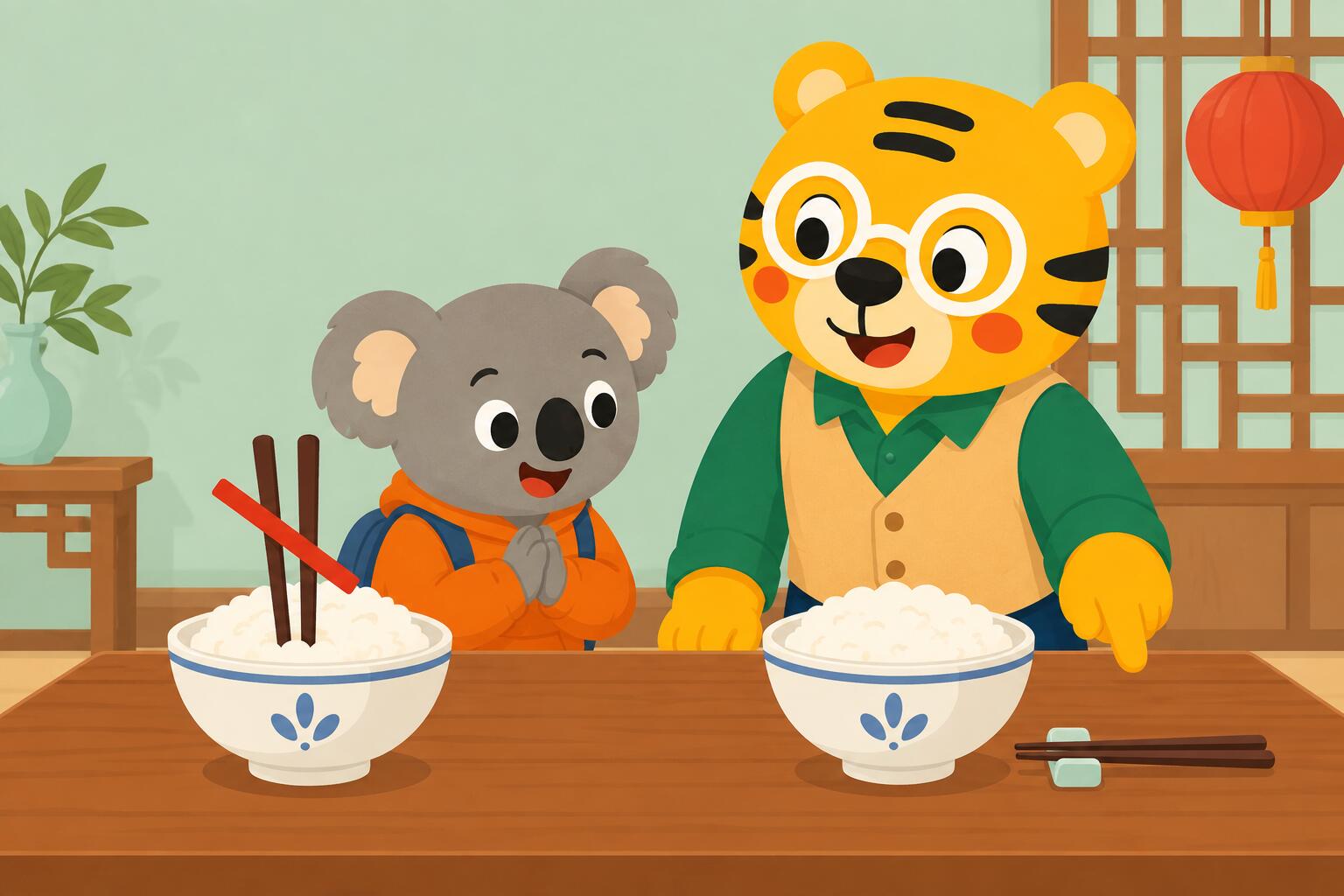
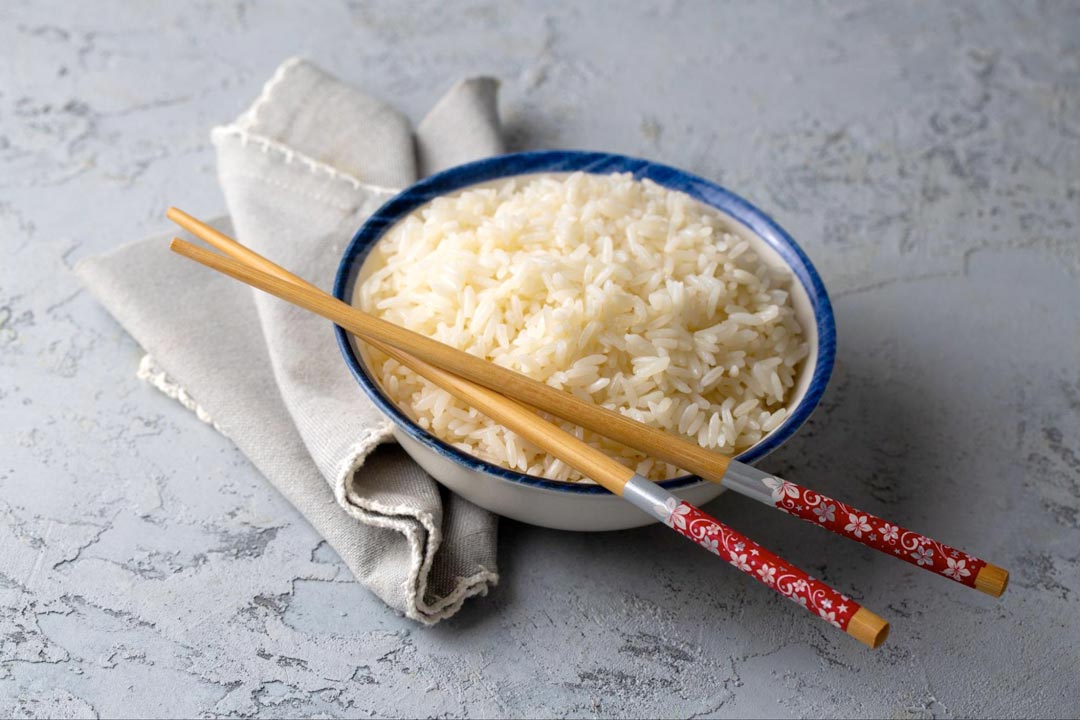
2. Don’t stick your chopsticks into your bowl of rice
|
This is one of those classic cultural mistakes. In China, meals are often served with a bowl of rice, so it’s important you remember to never stick your chopsticks vertically in the rice. This gesture is associated with the incense sticks used in funeral rituals, so has a bit of a deathly connotation. Instead, place the chopsticks side by side on the edge of the bowl or on the chopstick rest, if there is one.
You should also avoid playing with your chopsticks, tapping them on the bowl, and pointing or gesturing at someone with them.
3. Don’t open gifts right away

|
In many Western cultures, it’s normal to open a gift as soon as you receive it, but in China it’s generally considered more polite to wait until you are alone, or at least you ask if it’s okay to open your gift. It’s also important to hold out both hands to accept the gift.
By waiting to open your gift, you are showing that it’s the thought that counts, not the gift itself.
4. Be humble
Chinese people tend to value modesty and humility, especially when receiving a compliment. If someone says something positive to you, it’s common to give a self-deprecating response rather than accepting it with pride. For example, if someone compliments your Chinese, you can respond with:
没有没有,我中文真的很差![méiyǒu méiyǒu, wǒ de zhōngwén zhēnde hěn chà]: Not at all, my Chinese is really bad
This response may sound overly humble, but in many Chinese social contexts it’s a polite way to avoid appearing arrogant.
5. Bring something when visiting someone
|
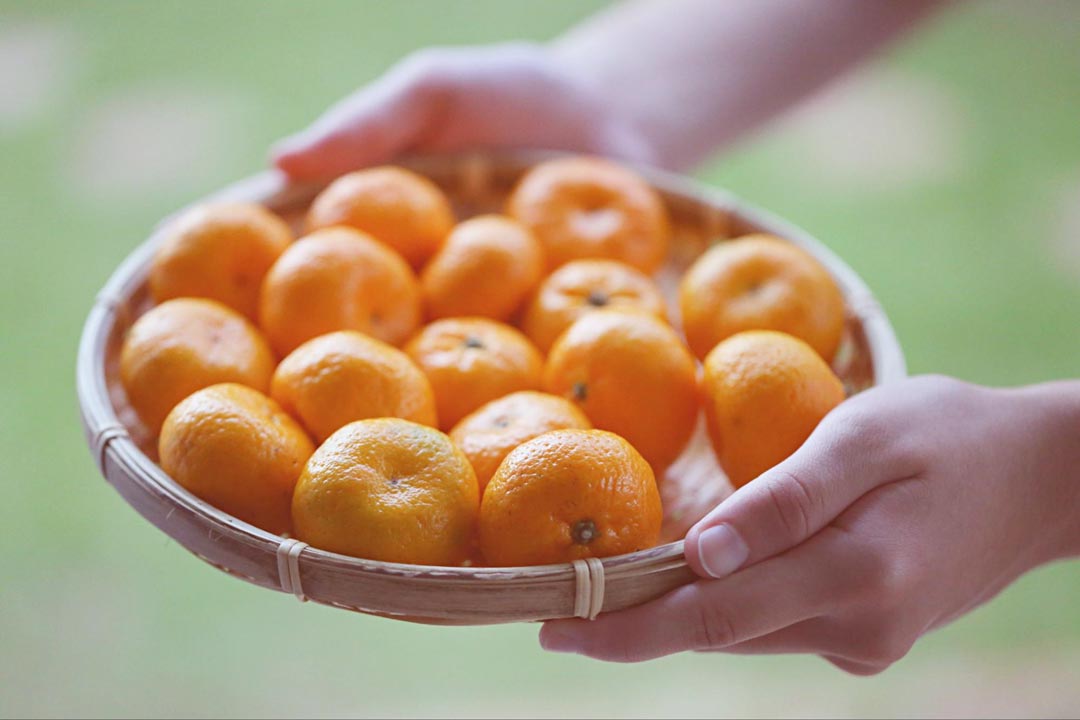
If you’re invited to someone’s home, don’t show up empty-handed. A simple gift (such as fruit, tea, or sweets) is very well received and shows gratitude.
China has a very rich social culture. Avoiding these mistakes is a way to show your respect for local customs, avoid any misunderstandings, and have better experiences with your Chinese friends or hosts.
|
Free download
If you've made it this far, you're serious. Turn that momentum into real progress with Chinesimple and make every study session count.
Native audio
Games
Flashcards
Exams
Pronunciation


|
|